5 Steps to Master Business Process Optimization and Scale (Easy Guide for Visionaries)

As a visionary leader, you aren't just looking to maintain the status quo; you are driven to disrupt industries, pioneer new markets, and leave a lasting legacy. However, the bridge between a bold vision and a global reality is built upon the strength of your internal systems. Many organizations find their growth inhibited not by a lack of ideas, but by the friction of outdated, inefficient workflows.
At Zidane Consulting, we understand that to scale a business effectively, you must transform your operational foundations into a high-performance engine. Business process optimization (BPO) is not merely a cost-cutting exercise; it is a strategic imperative that empowers your team, enhances your customer experience, and drives sustainable profitability.
In this guide, we will walk you through five essential steps to master your processes and unlock your company’s full potential.
Step 1: Define Strategic Goals and Align with Your Vision
Optimization without direction is simply movement without progress. To truly scale, you must start by identifying your high-level strategic objectives. What does success look like for your organization in the next three to five years? Are you aiming to dominate a new geographic market, launch a revolutionary product line, or achieve industry-leading operational excellence?
Your goals for process optimization should be specific, measurable, and directly tied to these outcomes. Whether you are looking to accelerate sales cycles, streamline customer service response times, or automate complex billing systems, your objectives must serve as the North Star for all subsequent efforts.
We recommend establishing Key Performance Indicators (KPIs) early in the process. These metrics provide a baseline for your current state and a benchmark for future success. By focusing on data-driven goals, we help you transition from subjective decision-making to a culture of objective performance. This alignment ensures that every digital transformation initiative is a calculated step toward your ultimate vision.
Step 2: Map the Architecture of Your Core Workflows
Once your goals are crystal clear, you must pull back the curtain on how work actually gets done within your organization. Visionaries often see the finished product, but scaling requires an intimate understanding of the intermediate steps. You need to identify the key processes that have the most significant impact on your value chain.
We encourage you to map out these workflows visually. For each core process, break it down into three to seven primary steps. This level of granularity allows you to see the handoffs between departments, the integration points with technology, and the moments of truth for your customers.

Utilizing tools like Business Process Model Notation (BPMN) can help you create a "source of truth" for your operations. By visualizing the flow of tasks between human employees, digital systems, and automated agents, you will often uncover hidden complexities and redundant procedures that have quietly accumulated over time. This mapping phase is where you transition from "how we think it works" to "how it actually works."
Step 3: Analyze Gaps and Prioritize Opportunities
With your maps in hand, it is time to apply a rigorous analytical lens to your operations. This is where we leverage data-driven business analysis to find the friction points. You are looking for gaps: the space between your current performance (the baseline) and where you need to be to scale (the target).
During this phase, you should ask critical questions:
Where are the bottlenecks that slow down our speed to market?
Which manual tasks are prone to human error and high turnover?
Are there "workarounds" that employees have created to bypass broken systems?
Evaluate the duration of each process step to identify time-consuming activities that are ripe for automation. By color-coding these gaps based on their severity and their impact on the bottom line, you can create a prioritized roadmap for intervention. Not every process needs to be optimized at once; the goal is to identify the 20% of changes that will drive 80% of your growth.
Step 4: Implement High-Impact Innovative Solutions
With a prioritized list of gaps, you can now move into the implementation phase. This is the stage where visionary leadership meets technical execution. We believe that the best solutions are born from a combination of cutting-edge technology and human-centric design.
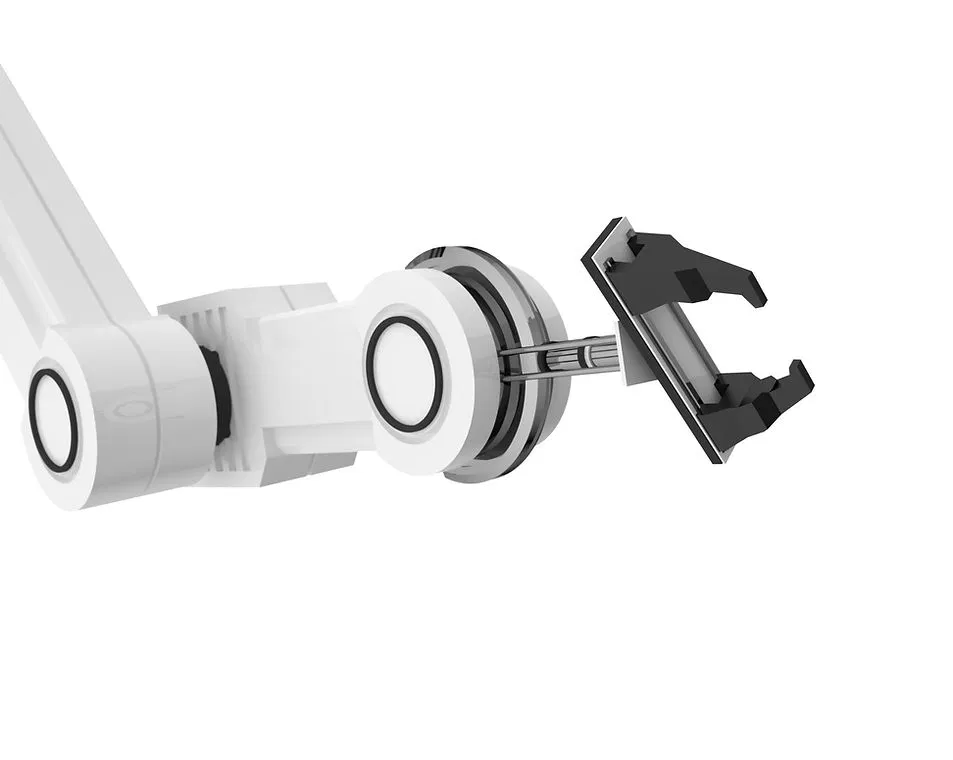
Look for opportunities to integrate artificial intelligence and automation into your workflows. Whether it's implementing a robotic arm in a manufacturing facility or deploying a machine learning model to optimize logistics, the goal is to liberate your human talent from repetitive, low-value tasks. This allows your team to focus on innovation, strategy, and customer relationships: the things that truly drive a business forward.
At Zidane Consulting, we advocate for cross-functional implementation teams. By bringing together diverse perspectives from across the organization, you ensure that solutions are comprehensive and that you have buy-in from the people who will be using these new systems daily. This collaborative approach minimizes resistance and maximizes the impact of your strategic initiatives.
Step 5: Cultivate a Culture of Continuous Improvement
Optimization is not a one-time event; it is a mindset. To scale at a global level, you must institutionalize a culture of continuous improvement. The world moves fast, and the processes that work today may become the bottlenecks of tomorrow.
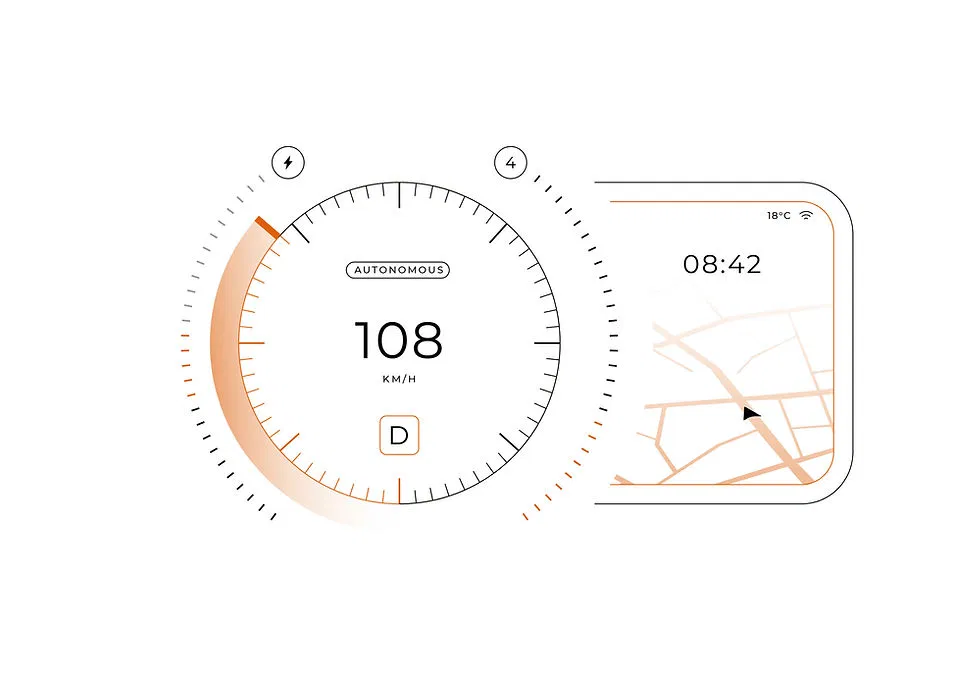
You must maintain your gains by closely monitoring performance against your defined KPIs. We recommend utilizing minimalist digital dashboards that provide real-time visibility into your operations. This data-driven approach allows process owners to identify emerging issues before they become systemic failures.
Host regular accountability meetings where your team can discuss challenges, share successes, and brainstorm the next round of iterations. By fostering an environment where feedback is encouraged and data is transparent, you empower every employee to contribute to the company's growth. This ensures that your organization remains agile, resilient, and ready to seize new opportunities as they arise.
Who You Are: The Architect of the Future
You are a strategic thinker who understands that operational excellence is the prerequisite for visionary growth. You aren't afraid to challenge the status quo or invest in the digital infrastructure required to lead your industry. By following these five steps: defining goals, mapping workflows, analyzing gaps, implementing solutions, and monitoring progress: you are doing more than just "fixing" a business; you are building a legacy.
At Zidane Consulting, we are passionate about partnering with leaders like you. We provide the strategic advisory services and technical expertise needed to transform your complex challenges into streamlined successes. Whether you are a startup looking to scale rapidly or an established enterprise seeking to modernize, our mission is to help you thrive in an increasingly automated world.
Are you ready to optimize your operations and drive impactful growth? Let's build the future of your business together.
To learn more about how we support global initiatives and drive change, explore our zero-carbon world projects or check out our latest careers for opportunities to join our team of experts.
Comments